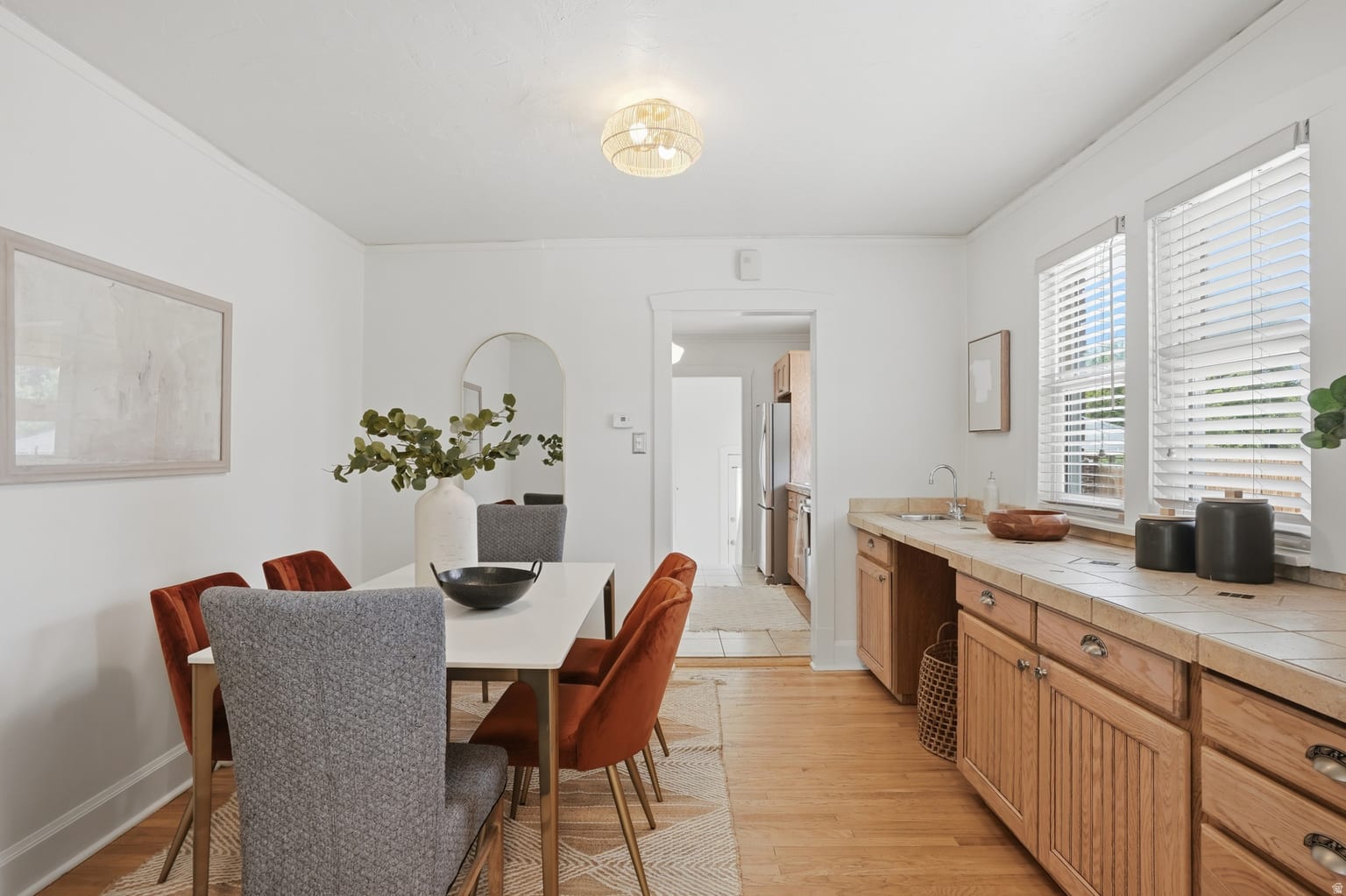

A few years ago, most buyers were looking for roughly the same thing: more square footage, a bigger yard, and the "perfect" layout.
Today, the conversation looks very different. Some buyers want less maintenance and more walkability. Others are prioritizing quiet neighborhoods and extra space. And many are looking for homes that simply fit the season of life they’re in now, not necessarily forever. This week, we listed three very different properties across the Salt Lake area, and together they tell an interesting story about how buyers are defining “home” in 2026.
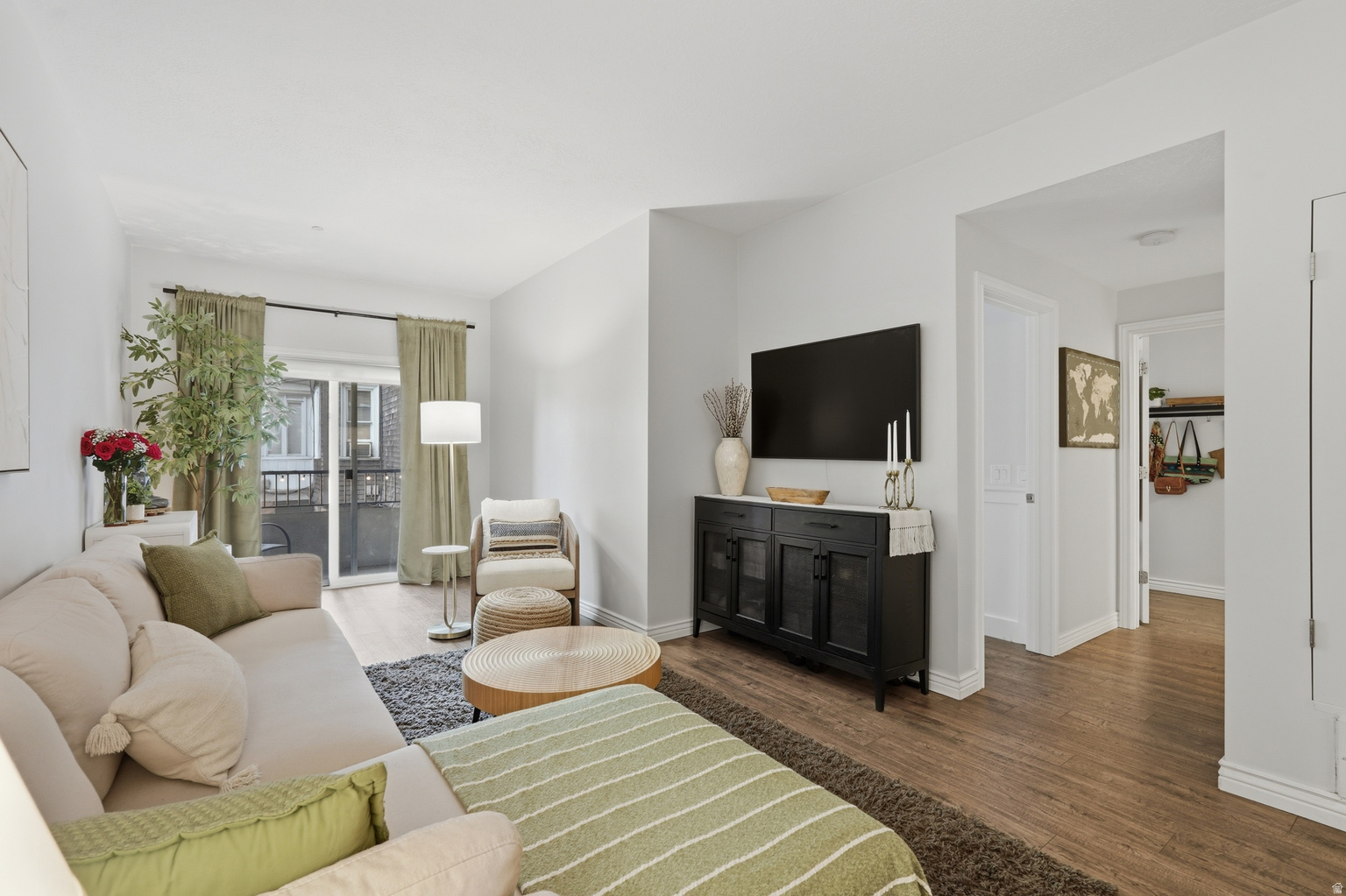
Walkability and simplicity still matter
For many buyers, convenience has become more valuable than excess space. That’s one reason low-maintenance properties in central locations continue to attract attention. Homes that make daily life easier, especially those near downtown, restaurants, parks, or medical districts — appeal to buyers who want flexibility and simplicity. Our new condo listing at 838 E South Temple offers exactly that kind of lifestyle. Located in one of Salt Lake City’s most established corridors, it provides easy access to downtown while still feeling quiet and residential.
At the same time, centrally located homes with manageable layouts continue to attract buyers who want a balance between privacy and convenience. Our listing at 2955 S Adams St in South Salt Lake reflects that well. The location offers quick access to the city while still giving buyers a neighborhood feel and a little more breathing room. For some buyers, “home” no longer means spending every weekend maintaining a yard or managing a large property. It means having more time, less stress, and a location they genuinely enjoy living in.
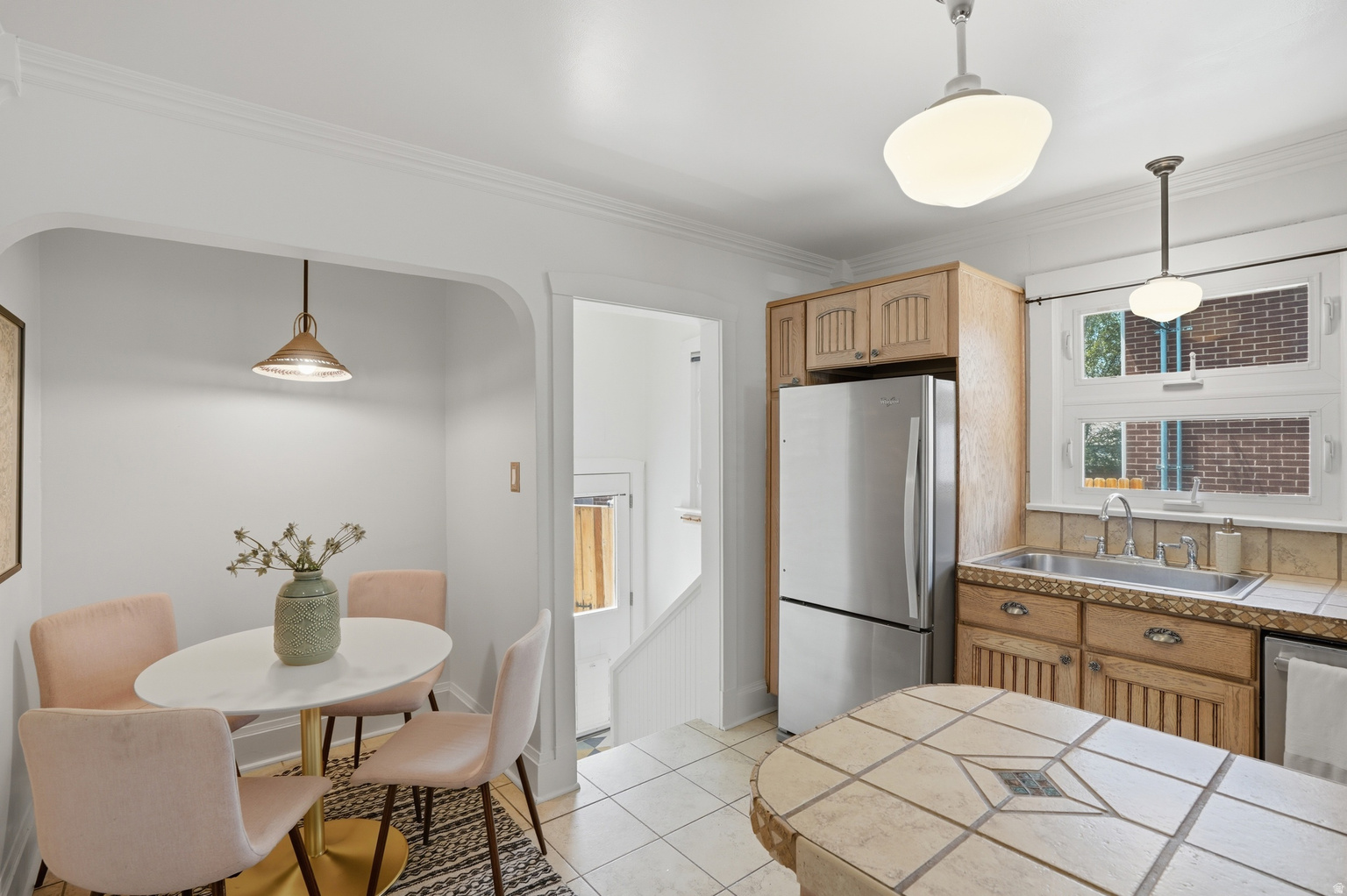
Character neighborhoods continue to hold strong qppeal
At the same time, established neighborhoods with personality and long-term charm remain incredibly desirable. Many buyers are becoming more intentional about where they live, not just what they live in. Tree-lined streets, mature landscaping, historic character, and a sense of community still carry a lot of weight. Our listing on Ramona Avenue in Westminster Heights reflects that shift perfectly. Homes in neighborhoods like this tend to attract buyers who value walkability, architecture, and long-term lifestyle just as much as square footage. These areas also tend to remain resilient over time because demand for character neighborhoods rarely disappears. In many ways, buyers are thinking more carefully about how they want to feel in a neighborhood, not just how many bedrooms they need.
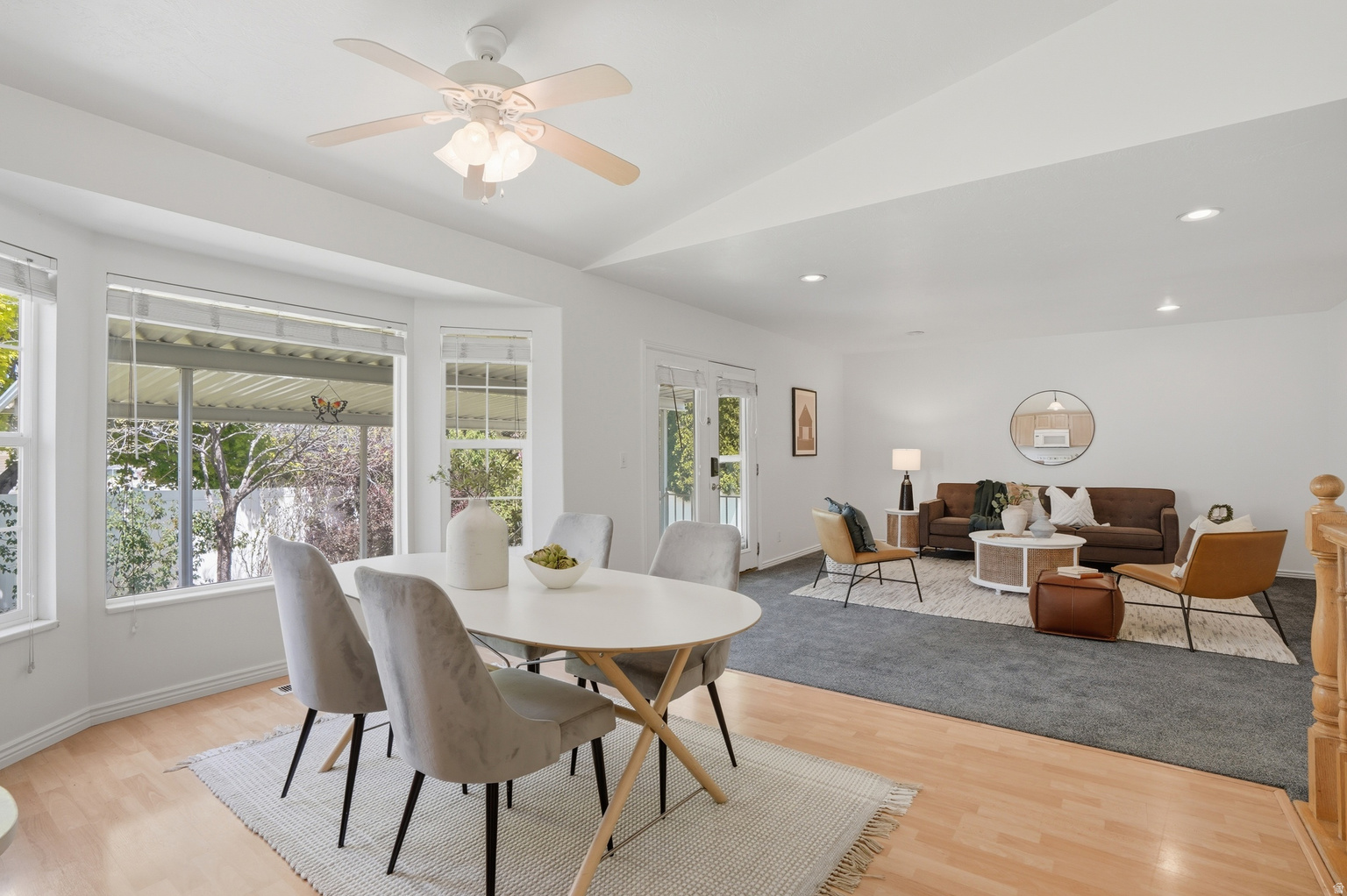
Space and flexibility still matter, just differently
Of course, there are still many buyers who want room to grow. But even that conversation has evolved. Instead of simply wanting more space, buyers are often looking for flexibility: home offices, guest rooms, quiet streets, storage, or layouts that support changing family needs. Our South Jordan listing in Wasatch Meadows speaks directly to that kind of buyer. The appeal isn’t just the size of the home. It’s the ability to settle into a neighborhood that offers convenience, comfort, and functionality for everyday life.
The same is true for our Riverton listing in Country Lane. For many buyers, suburban living is less about “keeping up” and more about creating stability and flexibility for the future. Larger lots, quieter streets, and homes that comfortably support everyday routines continue to matter to buyers who are planning long term. Many suburban buyers today are looking for homes that reduce stress and support their routines. That can mean proximity to schools, easier commutes, newer construction, or simply having enough breathing room to comfortably live day-to-day.
The definition of "home" is becoming more personal
One of the biggest shifts we’ve seen recently is that buyers are becoming less focused on what they’re “supposed” to want. Instead, they’re asking better questions:
What kind of lifestyle do I actually want?
What will make daily life easier?
What season of life am I preparing for?
What kind of investment makes sense for me long term?
That’s why three very different homes can all be strong opportunities at the same time. There isn’t one perfect version of “home” anymore. And honestly, that’s probably a good thing. The best home is usually the one that supports your life well: financially, emotionally, and practically.
If you’re trying to figure out what that looks like for you in today’s market, we’d be happy to help you think through it.