

If you’re watching the Salt Lake City housing market December 2025, you might be feeling the mix of a slower winter season and questions about what 2026 will bring. Many sellers are weighing whether to move ahead now or wait for spring. In this update, we’ll walk through pricing, days on market, and what December and January typically mean for leverage. You’ll also see how low winter supply and demand play out in real time, and why homes often take longer to sell with less room to push on price.
What the Numbers Say About December 2025
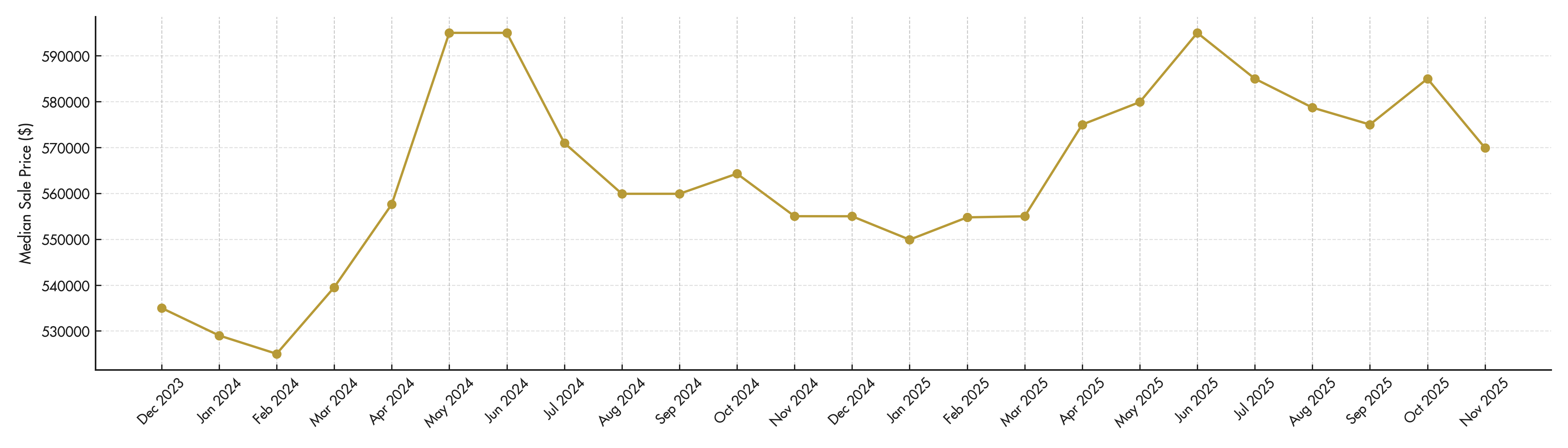
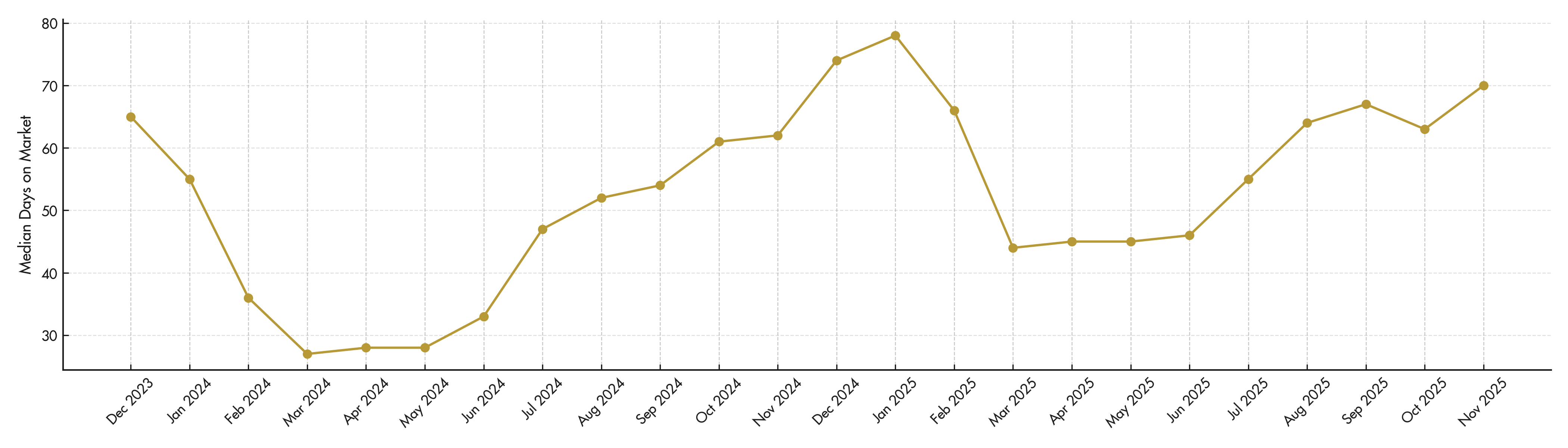
Data from this winter shows a market that has slowed, but not collapsed. According to one November report, Salt Lake City’s median sale price for homes, condos, and townhouses was around $570,000, with average days on market rising to 73 days, up from 62 last November.
Local reports show that prices are still ahead of 2024 levels, even as inventory has increased. One November 2025 snapshot shows a median price of $642,500, days on market at 50, and months of inventory up 30% year over year for the single-family residential market. Single-family inventory is still too limited to give buyers full control, which has helped keep prices steady. Longer selling times, though, suggest the market is gradually shifting from a strong seller’s market toward something more balanced.
Seasonal patterns reinforce this. Winter has long been the quietest stretch for home sales, and that slowdown is more noticeable in colder climates. December through February tend to bring fewer new listings and fewer closings, even though serious buyers remain active.
Heading into December 2025, this translates into what we typically expect: fewer listings coming on the market, lighter showing activity compared to spring or summer, and homes that take longer to sell unless they are priced thoughtfully and presented well.
Why December Through February Are Tough Months for Sellers
December and January are challenging months for sellers who are hoping for a quick sale or top-of-market price. January often brings the longest days on market in Utah, while February tends to see some of the lowest sale prices.
Another review of Utah sales patterns found that homes listed in December can take weeks longer to sell than the yearly average, with January consistently ranking as the slowest month for time on market.
In Salt Lake City, this seasonal slowdown is happening on top of 2025’s broader trend: rising inventory and longer days on market compared to last year. Even so, single-family inventory remains low enough to qualify as a seller-leaning market, though sellers have less leverage than they do in the spring. Even with prices being higher since last year, homes sit on the market longer than they did last year.
In short, winter brings low supply and low demand, but demand slows more. Showing traffic drops, open houses see fewer visitors, and sellers lose some of the pricing strength they may have had earlier in the year. This is often due to cold weather, school being in session, and other buyer/seller preferences. The existence of these peak seasons reinforces itself, as sellers assume that the best time to sell is spring and summer. Less sellers list their homes in winter and less buyers choose to house hunt during the winter due to less inventory.
For many homes, especially those needing updates or priced above the neighborhood’s comfort range, this can lead to price reductions or extended time on the market. Sellers hoping for multiple offers in December or January are often disappointed unless they start with a strategic price.
How Buyers and Sellers Can Use a Slow Season Strategically
For sellers, December through February are rarely the best months for achieving the highest price in the shortest amount of time. But the winter season can still be productive. It’s an ideal period for preparing your home: completing repairs, improving curb appeal, arranging staging, and gathering the data you need for a competitive spring launch. Homes that go live in early spring with strong presentation and accurate pricing tend to stand out.
If you need to sell now due to a move, life change, or tax-year timing, focus on meeting the winter market where it is. Price based on recent activity, not summer prices. Flexibility on closing timelines, concessions, or minor repairs can help keep motivated buyers engaged.
For buyers, winter can open doors that feel closed in busier months. With fewer competing offers, buyers often gain room to negotiate on price, seller credits, and inspection findings. Longer days on market can make it easier to have conversations about repairs or adjustments without losing the home to another offer.
Investors may also find opportunity this season. Forecasts for 2026 point to moderate growth rather than rapid appreciation. A calmer market paired with slower winter activity may create a smoother path for buy-to-sell, buy-to-hold, or 1031-exchange strategies.
And with the holidays underway, there’s a practical upside: the people who are active in the market right now tend to be serious about making a decision, which can lead to a smoother process.
Conclusion
In the Salt Lake City housing market in December 2025, we’re seeing:
- A slower, winter-typical market with longer days on market and softer seller leverage, even though it is still a seller's market.
- Prices that remain elevated versus prior years but are rising more modestly, with buyers watching value closely.
- A season where timing and preparation matter more than usual for both buyers and sellers.
If you’re thinking about selling or buying this winter, or planning ahead for 2026, reach out to us for a personalized plan. We’re here to look at your home, your neighborhood, and your goals, and help you decide whether now or spring is the right time.
As the year comes to a close, we want to thank our clients, friends, and community. We’ve been honored to help so many of you navigate buying, selling, investing, and finding your place in Salt Lake City. We appreciate the trust you place in us during such important transitions.
The team at Market Source Real Estate wishes you a peaceful holiday season and a hopeful start to 2026.
